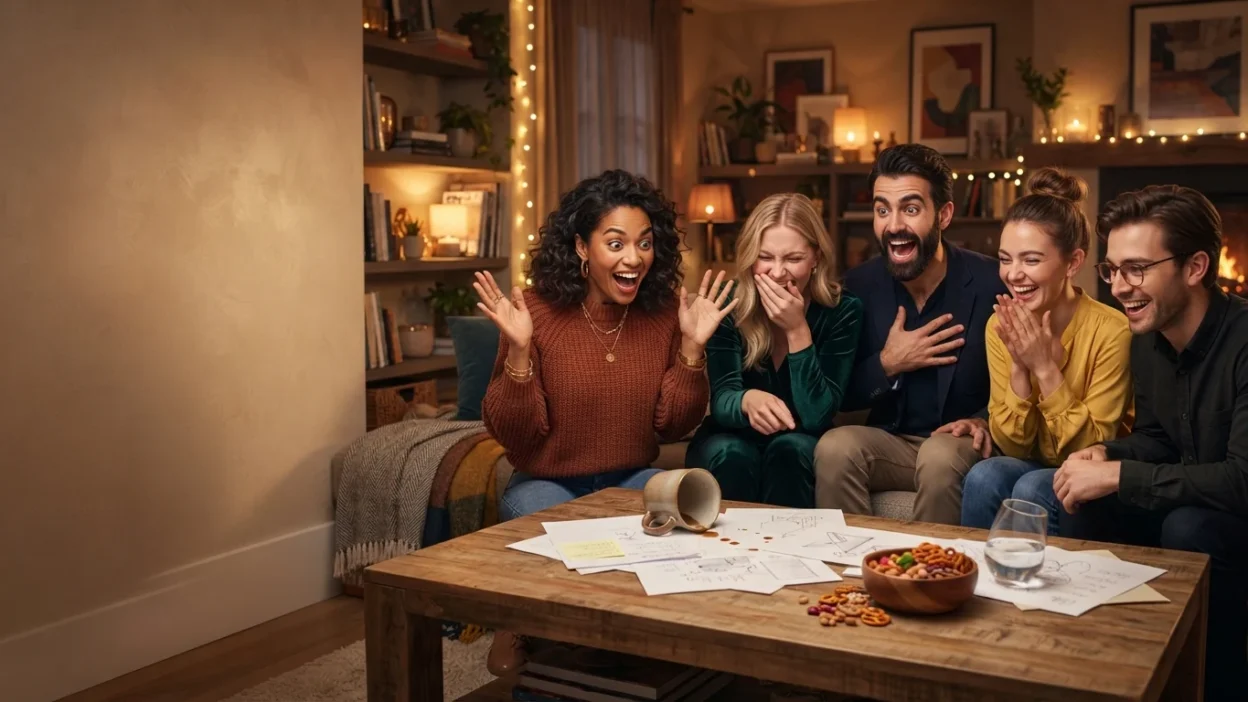
Sometimes “Oh no!” is all you need to react to unexpected news, a funny mistake, a little disaster, or something that suddenly went completely wrong. However, using the same phrase every time can get boring. A creative alternative can make your reaction funnier, more dramatic, or perfectly suited to the moment.
Whether your friend sends you a hilarious fail, someone makes a tiny mistake, plans suddenly fall apart, or you simply want to react with playful exaggeration, there are plenty of entertaining ways to say “Oh no.” You can keep it short with “Uh-oh!”, make it dramatic with “This is not happening!”, or add humor with “Well, that escalated quickly.”
The best response depends on the situation and your personality. A funny phrase works perfectly in a group chat, while a dramatic reaction can make a harmless mistake much more entertaining. Below, you’ll find fun, funny, dramatic, sarcastic, cute, and creative ways to say “Oh no” for texts, conversations, social media, and everyday moments.
Uh-Oh!
The classic playful alternative.
Best for: Small mistakes and unexpected situations.
Alternative: “Oops!”
Examples:
- “Uh-oh! What happened?”
- “Uh-oh, this doesn’t look good.”
Oopsie!
A cute and lighthearted reaction.
Best for: Small mistakes.
Alternative: “Whoopsie!”
Examples:
- “Oopsie! That wasn’t supposed to happen.”
- “Oopsie, we may have a problem.”
Whoops!
Short and casual.
Best for: Everyday mistakes.
Alternative: “Oops!”
Examples:
- “Whoops! My bad.”
- “Whoops, that took a turn.”
Yikes!
Perfect for something uncomfortable or concerning.
Best for: Awkward situations.
Alternative: “Oh boy!”
Examples:
- “Yikes! That’s rough.”
- “Yikes, this could get interesting.”
Oh Boy!
A fun reaction to unexpected trouble.
Best for: Casual conversations.
Alternative: “Here we go!”
Examples:
- “Oh boy, what happened now?”
- “Oh boy, this is going to be interesting.”
Well, That’s Not Good
Dry and funny.
Best for: Minor disasters.
Alternative: “That could’ve gone better.”
Examples:
- “Well, that’s not good.”
- “Well, that’s definitely not ideal.”
That’s a Problem
Simple with a humorous edge.
Best for: Casual texting.
Alternative: “We have a situation.”
Examples:
- “That’s a problem.”
- “Okay, we officially have a problem.”
We Have a Situation
Makes a small problem sound dramatic.
Best for: Group chats and playful reactions.
Alternative: “Houston, we have a problem.”
Examples:
- “We have a situation.”
- “Okay everyone, we have a situation.”
Houston, We Have a Problem
A dramatic classic.
Best for: Funny emergencies.
Alternative: “Mission control, we have trouble.”
Examples:
- “Houston, we have a problem.”
- “Houston, this mission is going sideways.”
This Is Not Good
Straightforward and dramatic.
Best for: Unexpected trouble.
Alternative: “This is bad.”
Examples:
- “This is not good.”
- “Yeah… this is definitely not good.”
This Is Fine
Funny when everything is clearly going wrong.
Best for: Ironic reactions.
Alternative: “Everything is totally under control.”
Examples:
- “This is fine.”
- “Everything is fine. Absolutely fine.”
Everything Is Fine
Best when everything is obviously not fine.
Best for: Sarcasm.
Alternative: “Nothing to see here.”
Examples:
- “Everything is fine.”
- “Yep, everything is completely fine.”
Nothing to See Here
Playfully dismissive.
Best for: Funny mishaps.
Alternative: “Move along, folks.”
Examples:
- “Nothing to see here.”
- “Nothing happened. Keep moving.”
Move Along, Folks
Dramatic and silly.
Best for: Group chats.
Alternative: “Please remain calm.”
Examples:
- “Move along, folks.”
- “Nothing happened here. Move along.”
Please Remain Calm
Funny when things are clearly chaotic.
Best for: Dramatic situations.
Alternative: “Everyone stay calm.”
Examples:
- “Please remain calm.”
- “Everyone remain calm. We have this completely under control.”
Everyone Stay Calm
A playful dramatic response.
Best for: Group conversations.
Alternative: “Nobody panic.”
Examples:
- “Everyone stay calm!”
- “Everyone stay calm. I have a plan.”
Nobody Panic
Short and funny.
Best for: Sudden problems.
Alternative: “Don’t panic.”
Examples:
- “Nobody panic.”
- “Nobody panic… yet.”
Don’t Panic… Yet
Adds comedic suspense.
Best for: Unexpected situations.
Alternative: “We’re not panicking yet.”
Examples:
- “Don’t panic… yet.”
- “Okay, nobody panic until I say so.”
Well, That Escalated Quickly
Perfect when a situation gets worse fast.
Best for: Funny stories and group chats.
Alternative: “That went from zero to chaos.”
Examples:
- “Well, that escalated quickly.”
- “That escalated way faster than expected.”
That Took a Turn
Short and modern.
Best for: Unexpected developments.
Alternative: “That went sideways.”
Examples:
- “Well, that took a turn.”
- “That conversation took a serious turn.”
That Went Sideways
Funny and casual.
Best for: Plans going wrong.
Alternative: “That went off the rails.”
Examples:
- “Yeah, that went sideways.”
- “Things really went sideways.”
That Went Off the Rails
Dramatic and playful.
Best for: Chaotic situations.
Alternative: “Things have gone rogue.”
Examples:
- “That went completely off the rails.”
- “Well, this has officially gone off the rails.”
We’ve Gone Rogue
A funny way to describe unexpected chaos.
Best for: Friends and group chats.
Alternative: “Things have gone rogue.”
Examples:
- “We’ve gone rogue.”
- “Okay, everything has officially gone rogue.”
Things Have Gone Rogue
Dramatic and humorous.
Best for: Plans going wrong.
Alternative: “Chaos has entered the chat.”
Examples:
- “Things have officially gone rogue.”
- “The plan has gone rogue.”
Chaos Has Entered the Chat
Modern and funny.
Best for: Texting and social media.
Alternative: “And here comes the chaos.”
Examples:
- “Chaos has entered the chat.”
- “Well, chaos has officially entered the chat.”
And Here Comes the Chaos
Playful and dramatic.
Best for: Group chats.
Alternative: “Let the chaos begin.”
Examples:
- “And here comes the chaos.”
- “Yep, here comes the chaos.”
Let the Chaos Begin
Fun when trouble is about to start.
Best for: Playful situations.
Alternative: “Here we go!”
Examples:
- “Let the chaos begin.”
- “Well, let the chaos begin!”
Here We Go Again
Perfect for repeated problems.
Best for: Situations that keep happening.
Alternative: “Not this again.”
Examples:
- “Here we go again.”
- “Oh great, here we go again.”
Not This Again
Funny and relatable.
Best for: Recurring problems.
Alternative: “Seriously?”
Examples:
- “Not this again.”
- “Oh no, not this again!”
Seriously?!
A short dramatic reaction.
Best for: Surprising or annoying news.
Alternative: “You’re kidding!”
Examples:
- “Seriously?!”
- “Wait… seriously?”
You’re Kidding!
Perfect for surprising news.
Best for: Unexpected situations.
Alternative: “No way!”
Examples:
- “You’re kidding!”
- “You have got to be kidding me.”
You Have Got to Be Kidding Me
More dramatic and funny.
Best for: Major surprises.
Alternative: “No way this just happened.”
Examples:
- “You have got to be kidding me.”
- “You’ve got to be kidding!”
No Way!
Short and energetic.
Best for: Surprising news.
Alternative: “Absolutely not!”
Examples:
- “No way!”
- “No way this actually happened.”
Oh, Come On!
Playfully frustrated.
Best for: Small disappointments.
Alternative: “Seriously?”
Examples:
- “Oh, come on!”
- “Oh, come on! Not again.”
Come On, Man!
Casual and expressive.
Best for: Friends and playful frustration.
Alternative: “Seriously, dude?”
Examples:
- “Come on, man!”
- “Come on! How did that happen?”
Well, Crap
A humorous mild reaction.
Best for: Minor disasters.
Alternative: “Well, that’s unfortunate.”
Examples:
- “Well, crap.”
- “Well, crap. That wasn’t the plan.”
Welp…
A very casual reaction.
Best for: Situations where there is little left to say.
Alternative: “Welp, that happened.”
Examples:
- “Welp…”
- “Welp, that’s unfortunate.”
Welp, That Happened
Dry and funny.
Best for: Awkward moments.
Alternative: “Can’t undo that.”
Examples:
- “Welp, that happened.”
- “Well… that definitely happened.”
Well, That Happened
Classic dry humor.
Best for: Unexpected situations.
Alternative: “Moving on…”
Examples:
- “Well, that happened.”
- “Okay… well, that happened.”
That’s Awkward
Perfect for uncomfortable moments.
Best for: Social mishaps.
Alternative: “Well, this is awkward.”
Examples:
- “That’s awkward.”
- “Well, this just got awkward.”
This Just Got Awkward
More dramatic.
Best for: Funny social situations.
Alternative: “Things got weird.”
Examples:
- “This just got awkward.”
- “Well, this conversation just got awkward.”
Things Got Weird
Casual and funny.
Best for: Unexpected conversations.
Alternative: “That got weird fast.”
Examples:
- “Things got weird.”
- “Wow, things got weird really fast.”
That Got Weird Fast
Great for sudden changes.
Best for: Group chats.
Alternative: “That escalated quickly.”
Examples:
- “That got weird fast.”
- “Well, that got weird quickly.”
Oh Dear
A slightly old-fashioned funny reaction.
Best for: Playful dramatic situations.
Alternative: “Oh my.”
Examples:
- “Oh dear.”
- “Oh dear, what have we done?”
Oh My
Short and dramatic.
Best for: Surprising situations.
Alternative: “Good grief!”
Examples:
- “Oh my.”
- “Oh my, this is unexpected.”
Good Grief!
A classic expressive reaction.
Best for: Funny frustration.
Alternative: “Oh dear!”
Examples:
- “Good grief!”
- “Good grief, what happened?”
My Goodness!
Polite but dramatic.
Best for: Funny surprise.
Alternative: “Oh my goodness!”
Examples:
- “My goodness!”
- “My goodness, what happened here?”
Oh My Goodness!
A cheerful alternative.
Best for: Surprising or shocking news.
Alternative: “Goodness gracious!”
Examples:
- “Oh my goodness!”
- “Oh my goodness, are you okay?”
Goodness Gracious!
Dramatic and playful.
Best for: Funny reactions.
Alternative: “My goodness!”
Examples:
- “Goodness gracious!”
- “Goodness gracious, what a mess.”
Oh My Stars!
Cute and dramatic.
Best for: Playful conversations.
Alternative: “Oh my word!”
Examples:
- “Oh my stars!”
- “Oh my stars, what happened?”
Oh My Word!
A fun alternative to surprise.
Best for: Lighthearted conversations.
Alternative: “My goodness!”
Examples:
- “Oh my word!”
- “Oh my word, I cannot believe this.”
What in the World?!
A playful reaction to confusion.
Best for: Unexpected situations.
Alternative: “What just happened?”
Examples:
- “What in the world?!”
- “What in the world is happening?”
What Just Happened?!
Perfect for sudden chaos.
Best for: Surprising situations.
Alternative: “What was that?”
Examples:
- “What just happened?!”
- “Wait, what just happened?”
What Have We Done?
Funny when a situation becomes chaotic.
Best for: Group chats and playful mistakes.
Alternative: “Look what we’ve done.”
Examples:
- “What have we done?”
- “Oh no… what have we done?”
Look What We’ve Done
Dramatic and humorous.
Best for: Mistakes made together.
Alternative: “We really did it this time.”
Examples:
- “Look what we’ve done.”
- “Well, look what we’ve done now.”
We Really Did It This Time
Funny when something goes wrong.
Best for: Friends.
Alternative: “We’ve outdone ourselves.”
Examples:
- “We really did it this time.”
- “Well, we really outdid ourselves.”
We’ve Outdone Ourselves
Sarcastic and funny.
Best for: Silly mistakes.
Alternative: “A new personal best.”
Examples:
- “We’ve really outdone ourselves.”
- “Congratulations, we’ve outdone ourselves.”
A New Personal Best
Funny when you make an especially ridiculous mistake.
Best for: Self-deprecating humor.
Alternative: “Record-breaking chaos.”
Examples:
- “Well, that’s a new personal best.”
- “We’ve reached a new personal best in bad decisions.”
Record-Breaking Chaos
Very playful.
Best for: Group chats.
Alternative: “Maximum chaos achieved.”
Examples:
- “Record-breaking chaos!”
- “We’ve officially achieved record-breaking chaos.”
Maximum Chaos Achieved
Funny and dramatic.
Best for: Big mishaps.
Alternative: “Chaos level: maximum.”
Examples:
- “Maximum chaos achieved.”
- “We have officially reached maximum chaos.”
Chaos Level: Maximum
A modern texting-style reaction.
Best for: Group chats.
Alternative: “Chaos mode activated.”
Examples:
- “Chaos level: maximum.”
- “Yep, we’ve reached maximum chaos.”
Chaos Mode Activated
Perfect for something going completely wrong.
Best for: Friends and social media.
Alternative: “Disaster mode activated.”
Examples:
- “Chaos mode activated.”
- “Well, chaos mode has officially activated.”
Disaster Mode Activated
More dramatic.
Best for: Funny mishaps.
Alternative: “Emergency mode activated.”
Examples:
- “Disaster mode activated.”
- “Looks like disaster mode is on.”
We May Have a Tiny Problem
Funny understatement.
Best for: Minor disasters.
Alternative: “There may be a slight issue.”
Examples:
- “We may have a tiny problem.”
- “Okay, there might be a very small problem.”
Slight Problem
Dry and understated.
Best for: Funny situations.
Alternative: “Minor inconvenience.”
Examples:
- “Slight problem.”
- “We have encountered a slight problem.”
Minor Inconvenience
Funny when the problem is clearly bigger than that.
Best for: Sarcasm.
Alternative: “Tiny setback.”
Examples:
- “Just a minor inconvenience.”
- “Nothing but a minor inconvenience.”
Tiny Setback
Playful understatement.
Best for: Small disasters.
Alternative: “Little hiccup.”
Examples:
- “Just a tiny setback.”
- “Nothing we can’t call a tiny setback.”
A Little Hiccup
Friendly and casual.
Best for: Minor problems.
Alternative: “Small bump in the road.”
Examples:
- “Just a little hiccup.”
- “We hit a little hiccup.”
Small Bump in the Road
Positive but funny.
Best for: Plans going wrong.
Alternative: “Temporary setback.”
Examples:
- “Just a small bump in the road.”
- “Nothing but a little bump in the road.”
Mission Failed Successfully
Internet-style humor.
Best for: Funny mistakes.
Alternative: “Task failed successfully.”
Examples:
- “Mission failed successfully.”
- “Well, that mission went beautifully.”
Task Failed Successfully
Funny and sarcastic.
Best for: Group chats.
Alternative: “Nailed it.”
Examples:
- “Task failed successfully.”
- “Well, technically, we completed the task.”
Nailed It!
Use ironically when something went terribly wrong.
Best for: Funny fails.
Alternative: “Perfect execution.”
Examples:
- “Nailed it!”
- “Absolutely nailed that one.”
Perfect Execution
Sarcastic and playful.
Best for: Obvious mistakes.
Alternative: “Flawless.”
Examples:
- “Perfect execution.”
- “Absolutely flawless work.”
Flawless
Best when the opposite is true.
Best for: Sarcastic reactions.
Alternative: “Couldn’t have gone better.”
Examples:
- “Flawless.”
- “Absolutely flawless execution.”
Couldn’t Have Gone Better
Classic sarcasm.
Best for: Funny failures.
Alternative: “Everything went perfectly.”
Examples:
- “Couldn’t have gone better.”
- “Yep, absolutely nothing went wrong.”
That’s One Way to Do It
A playful reaction to an unusual approach.
Best for: Friends and funny mistakes.
Alternative: “Creative choice.”
Examples:
- “That’s one way to do it.”
- “Well, that’s certainly one way to handle it.”
Creative Choice
Funny and slightly sarcastic.
Best for: Unexpected decisions.
Alternative: “Interesting strategy.”
Examples:
- “Creative choice.”
- “That was certainly a creative choice.”
Interesting Strategy
Dry and playful.
Best for: Funny decisions.
Alternative: “Bold strategy.”
Examples:
- “Interesting strategy.”
- “That’s an interesting strategy, to say the least.”
Bold Strategy
Perfect for a questionable decision.
Best for: Friends and group chats.
Alternative: “Risky move.”
Examples:
- “Bold strategy.”
- “That’s a bold strategy.”
Risky Move
Short and humorous.
Best for: Unexpected choices.
Alternative: “Brave decision.”
Examples:
- “Risky move.”
- “That was a risky move.”
Well, That’s Unfortunate
Dry and polite humor.
Best for: Minor disasters.
Alternative: “That’s a shame.”
Examples:
- “Well, that’s unfortunate.”
- “That’s… slightly unfortunate.”
That’s a Shame
Simple and playful.
Best for: Mild disappointment.
Alternative: “What a bummer.”
Examples:
- “That’s a shame.”
- “Oh, that’s a real shame.”
What a Bummer
Casual and friendly.
Best for: Small disappointments.
Alternative: “That stinks.”
Examples:
- “What a bummer!”
- “Aw, what a bummer.”
That Stinks
Very casual.
Best for: Friends.
Alternative: “That’s rough.”
Examples:
- “That stinks.”
- “Oh man, that really stinks.”
That’s Rough
A simple sympathetic reaction.
Best for: Someone experiencing a setback.
Alternative: “That’s tough.”
Examples:
- “Oof, that’s rough.”
- “Yeah, that’s pretty rough.”
Oof!
Short, modern, and expressive.
Best for: Bad news and awkward situations.
Alternative: “Yikes!”
Examples:
- “Oof!”
- “Oof, that’s not ideal.”
Oof, That Hurts
Good for disappointment or embarrassment.
Best for: Friends and casual conversations.
Alternative: “That one hurts.”
Examples:
- “Oof, that hurts.”
- “Oof, that one has to hurt.”
That One Hurts
Short and relatable.
Best for: Bad luck and disappointment.
Alternative: “Ouch!”
Examples:
- “That one hurts.”
- “Ouch, that one hurts.”
Ouch!
Simple and universal.
Best for: Mistakes, fails, and unfortunate news.
Alternative: “Yikes!”
Examples:
- “Ouch!”
- “Ouch, that did not go well.”
Fun Short Ways to Say Oh No
Sometimes you just need a quick reaction that works in a text.
Best for: Fast replies and group chats.
Alternative: Short expressions.
Examples:
- “Uh-oh!”
- “Yikes!”
- “Oof!”
- “Oops!”
- “Whoops!”
- “Oh boy!”
- “Oh dear!”
- “Oh my!”
- “Welp…”
- “Yikes on bikes!”
- “Well, crap.”
- “Not good.”
- “Uh-oh, spaghetti-o!”
- “Oh snap!”
- “Oof, nope.”
- “Big yikes!”
Funny Ways to Say Oh No in a Text
Texting gives you room to make your reaction extra dramatic.
Best for: Friends and group chats.
Alternative: Dramatic texting reactions.
Examples:
- “Uhhhh… oh no 😂”
- “Wellllll, that’s not ideal.”
- “Oh nooooooo.”
- “Yikes on bikes.”
- “And there goes the plan.”
- “Welp. We’re doomed.”
- “This is fine. Probably.”
- “Nobody panic 😂”
- “Houston, we have a situation.”
- “Oh, this is going to be good.”
What is a funny way to say “Oh no”?
Try “Uh-oh, spaghetti-o!”, “Well, that escalated quickly,” “Chaos has entered the chat,” or “Mission failed successfully.”
What is a cute way to say “Oh no”?
You can say “Oopsie!”, “Oh dear!”, “Uh-oh!”, or “Oh nooo!”
What is a sarcastic way to say “Oh no”?
Try “This is fine,” “Nailed it!”, or “Couldn’t have gone better.”
What is a dramatic way to say “Oh no”?
Try “Houston, we have a problem,” “Everyone remain calm,” or “This is not happening!”
What can I say instead of “Oh no” in a text?
Good alternatives include “Uh-oh,” “Yikes,” “Oof,” “Oh boy,” “Welp,” “That’s not good,” and “Well, that took a turn.”
What is a funny response to bad news?
Try “Well, that escalated quickly,” “Nobody panic,” “We have a situation,” or “Chaos mode activated.”
What is a playful way to react to a mistake?
Say “Whoops!”, “Nailed it!”, “That’s one way to do it,” or “We really did it this time.”
Final Thoughts
You never have to stick with the same “Oh no” every time something unexpected happens. A simple “Uh-oh!” works for small mistakes, while “Well, that escalated quickly” adds humor to a chaotic moment.
For sarcastic reactions, “This is fine” can be perfect, and for dramatic situations, “Houston, we have a problem” gets the point across. Choose a phrase that matches the moment, and even a small mishap can become part of the fun.

Barrett Beckett is an SEO content author who specializes in creating informative, search-optimized articles that help readers find trustworthy answers online. His writing combines in-depth research with clear, engaging language to improve both user experience and search visibility. Barrett is passionate about producing content that meets modern SEO standards while remaining easy to understand. He is dedicated to delivering accurate, valuable resources across a wide range of educational and faith-based topics.