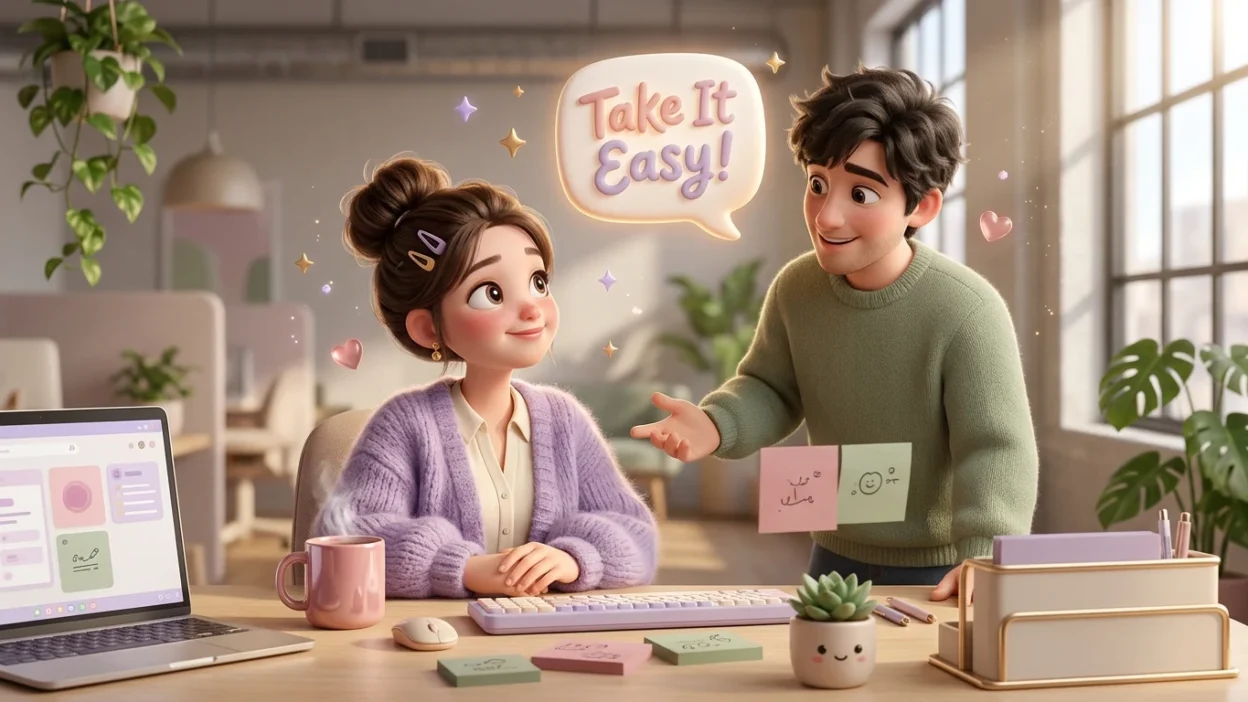
When someone tells you, “Don’t work too hard,” they are usually showing kindness, wishing you an easier day, or reminding you to take care of yourself. You might hear this phrase from a coworker, your boss, a friend, or someone special. Although a simple “Thanks” works perfectly well, a more thoughtful response can make the conversation warmer and more memorable.
The best response depends on who says it and where you are. At work, you may want to sound polite and professional. With friends, a funny or casual reply can make them smile. And when someone you like says it, you can add a little charm to your answer. Here are the best ways to respond naturally to “Don’t work too hard” in almost any situation.
Polite Responses to Don’t Work Too Hard
A polite response shows that you appreciate the person’s thoughtful words.
Best for: Coworkers, acquaintances, and everyday conversations.
Alternative: “Thank you, I appreciate it!”
Examples:
- “Thanks! I’ll do my best to keep things balanced.”
- “That’s very kind of you. Have a great day!”
These replies are simple, respectful, and suitable for almost any situation.
Professional Responses to Don’t Work Too Hard
When a colleague or manager says this at work, keep your answer professional while showing appreciation.
Best for: Offices, meetings, and workplace conversations.
Alternative: “Thank you. I’ll make sure to pace myself.”
Examples:
- “Thanks for the reminder. I appreciate your concern.”
- “Thank you! I’ll keep a healthy balance.”
These responses sound mature and show that you take both your work and well-being seriously.
Funny Responses to Don’t Work Too Hard
If the person enjoys humor, a funny reply can turn a routine workplace exchange into a cheerful moment.
Best for: Friends and coworkers with a good sense of humor.
Alternative: “Too late, I’m already overachieving!”
Examples:
- “I’ll try, but my coffee has other plans!”
- “Don’t worry, I’m saving some energy for tomorrow!”
Use these replies when the conversation is relaxed and humor is welcome.
Short Responses to Don’t Work Too Hard
Sometimes, a quick answer is all you need.
Best for: Busy days, quick chats, and casual goodbyes.
Alternative: “Will do!”
Examples:
- “Thanks, you too!”
- “I’ll try!”
These short responses are easy to say and sound natural without making a small exchange feel complicated.
Friendly Responses to Don’t Work Too Hard
A friendly reply helps you return the kindness and keep the interaction positive.
Best for: Friends, teammates, and familiar coworkers.
Alternative: “Thanks for looking out for me!”
Examples:
- “I’ll try not to! Hope your day goes smoothly, too.”
- “Thanks! Make sure you take it easy as well.”
These replies show that you appreciate the person’s concern and wish them well in return.
Casual Responses to Don’t Work Too Hard
If you are talking to someone you know well, a relaxed answer is often the best choice.
Best for: Friends, classmates, and close colleagues.
Alternative: “I’ll try not to!”
Examples:
- “Haha, no promises!”
- “Thanks! I’m taking it one task at a time.”
Casual replies make the exchange feel easygoing and genuine.
Witty Responses to Don’t Work Too Hard
A clever response can show off your personality without sounding unprofessional.
Best for: People who enjoy smart humor and playful conversations.
Alternative: “I prefer to work smarter, not harder!”
Examples:
- “I’ll let productivity handle the heavy lifting.”
- “My strategy is to look busy while staying efficient!”
These replies are especially useful when you want to sound clever while keeping the mood light.
Grateful Responses to Don’t Work Too Hard
When someone genuinely cares about your well-being, thank them for their thoughtfulness.
Best for: Supportive coworkers, friends, and loved ones.
Alternative: “Thanks for thinking of me.”
Examples:
- “That means a lot. I’ll remember to take breaks.”
- “I appreciate you checking in on me!”
A grateful response acknowledges the kindness behind their words and makes the other person feel appreciated, too.
Responses to Don’t Work Too Hard From Your Boss
If your boss says this, your reply should be respectful and confident without sounding overly formal.
Best for: Workplace conversations with a manager or supervisor.
Alternative: “Thank you. I’ll keep my priorities in balance.”
Examples:
- “Thanks! I’ll stay focused and work at a steady pace.”
- “I appreciate that. I’ll make sure to manage my workload well.”
These answers communicate professionalism and show that you understand the importance of working sustainably.
Responses to Don’t Work Too Hard From a Coworker
A coworker may say this as a friendly goodbye or a genuine reminder to take a break.
Best for: Office chats and team interactions.
Alternative: “Thanks! We’ve got to look out for each other.”
Examples:
- “I’ll try! Don’t let the work pile up on you either.”
- “Thanks, we’ll get through the workload together!”
These replies encourage a friendly atmosphere and show that you appreciate their concern.
Sweet Responses to Don’t Work Too Hard
A sweet reply is perfect when the person is being thoughtful and you want to return the warmth.
Best for: Close friends, family, and people who care about you.
Alternative: “Aww, thanks for caring!”
Examples:
- “That’s so sweet of you. I’ll take it easy.”
- “Thanks for reminding me to look after myself.”
These responses feel sincere and affectionate without being overly emotional.
Flirty Responses to Don’t Work Too Hard
If someone you like says this, a playful reply can keep the conversation going.
Best for: Crushes, romantic interests, and partners.
Alternative: “I’ll take a break if you keep me company.”
Examples:
- “I’ll try, especially if you promise to distract me later!”
- “Work would be easier with you around.”
Use these lines when you already share a playful connection and feel comfortable flirting.
Romantic Responses to Don’t Work Too Hard
When your partner reminds you not to overwork, respond with affection and appreciation.
Best for: Your boyfriend, girlfriend, spouse, or romantic partner.
Alternative: “I’ll take care of myself for you.”
Examples:
- “Thanks, love. I promise I’ll make time to relax.”
- “I will, especially because I want more time with you.”
These messages show that you value both their concern and the time you share together.
Sarcastic Responses to Don’t Work Too Hard
A little sarcasm can be funny when you know the other person understands your sense of humor.
Best for: Close friends and coworkers who enjoy teasing.
Alternative: “Relax, I’m only doing the work of three people today!”
Examples:
- “Don’t worry, my laziness is scheduled for later.”
- “I was planning to do absolutely nothing, actually!”
Keep your tone playful so the joke does not sound like a complaint or criticism.
Confident Responses to Don’t Work Too Hard
If you want to sound self-assured, choose a reply that shows you can manage your workload.
Best for: Professional and everyday conversations.
Alternative: “I’ve got it under control, but thank you!”
Examples:
- “Thanks! I know when to push and when to pause.”
- “No worries, I’m working at my own pace.”
These replies communicate confidence while still acknowledging the other person’s kindness.
Responses to Don’t Work Too Hard Over Text
Text messages give you the chance to sound friendly, appreciative, or funny in just a few words.
Best for: Workplace messages, chats, and DMs.
Alternative: “Thanks! I’ll try 😊”
Examples:
- “I appreciate it! Hope you’re having an easy day, too.”
- “Haha, I’ll try not to burn out 😂”
Match your response to the tone of the original message. A simple emoji can make a friendly reply feel warmer.
Responses to Don’t Work Too Hard in an Email
If someone includes this phrase in a professional email, a brief and courteous response is usually enough.
Best for: Business emails and professional correspondence.
Alternative: “Thank you for the thoughtful reminder.”
Examples:
- “Thank you! I appreciate your consideration.”
- “Thanks for your kind words. Wishing you a productive week as well.”
You do not need to address the phrase at length. A polite acknowledgment is generally sufficient.
Humble Responses to Don’t Work Too Hard
A humble response shows that you appreciate the reminder without making a big deal out of it.
Best for: Professional settings and sincere conversations.
Alternative: “Thanks, I’ll keep that in mind.”
Examples:
- “I appreciate it. I’m doing my best to stay balanced.”
- “Thank you! It’s always good to have that reminder.”
These replies sound grounded, respectful, and thoughtful.
Playful Responses to Don’t Work Too Hard
Playful answers make a friendly exchange feel more personal.
Best for: Friends, teammates, and people you know well.
Alternative: “I’ll try to keep the hard work on a low setting!”
Examples:
- “Deal! I’ll work at a comfortable speed.”
- “Only medium effort from here on out!”
These replies are lighthearted and easy to use when there is no need for a serious answer.
Responses to Don’t Work Too Hard When You’re Busy
If you genuinely have a lot to do, you can acknowledge the concern while staying realistic.
Best for: Busy workdays and demanding schedules.
Alternative: “Thanks! I’m taking it one step at a time.”
Examples:
- “I appreciate it. I’m getting through the list bit by bit.”
- “Thanks for checking in. I’ll make sure to take breaks when I can.”
These responses recognize the person’s kindness without pretending that your workload is smaller than it is.
Responses to Don’t Work Too Hard When Leaving Work
When someone says this as you leave the office, a cheerful goodbye works well.
Best for: End-of-day conversations with coworkers.
Alternative: “Thanks! Enjoy the rest of your day.”
Examples:
- “I won’t! See you tomorrow.”
- “Thanks, you get some rest, too!”
These answers help end the conversation on a friendly and positive note.
Responses to Don’t Work Too Hard When Someone Is Caring
Sometimes, the phrase is more than a casual goodbye. The person may genuinely be concerned about your stress or workload.
Best for: Loved ones and supportive friends.
Alternative: “Thank you. I needed that reminder.”
Examples:
- “I’ll do my best to slow down and look after myself.”
- “That means a lot. I’m glad you care.”
A sincere response lets them know their concern matters to you.
Clever Responses to Don’t Work Too Hard
A clever reply can make you sound thoughtful and resourceful.
Best for: Colleagues, friends, and conversations with a playful tone.
Alternative: “Efficiency is my secret weapon!”
Examples:
- “I’m aiming for smart work and a peaceful evening.”
- “The goal is results, not exhaustion!”
These lines add a little personality while keeping the message positive.
Responses to Don’t Work Too Hard With Emojis
Emojis can help communicate your tone, especially when the message is short.
Best for: Casual texts and friendly work chats.
Alternative: “Thanks! I’ll take it easy 😊”
Examples:
- “I’ll try! ☕😄”
- “Thanks for looking out for me 💛”
Use a smile or coffee emoji for a casual mood, or a heart when the message comes from someone close to you.
Responses to Don’t Work Too Hard From a Friend
When a friend says this, you can respond with warmth, humor, or a little teasing.
Best for: Close friends and everyday chats.
Alternative: “Thanks! Save some fun for me.”
Examples:
- “I’ll try, but someone has to pay for our next adventure!”
- “Only if you promise not to work too hard either.”
These replies keep the friendship feeling mutual and supportive.
Responses to Don’t Work Too Hard From Someone You Like
If the message comes from someone you have feelings for, a warm answer can open the door to more conversation.
Best for: A crush or someone you are getting closer to.
Alternative: “Thanks! Your message made my day a little easier.”
Examples:
- “I’ll try. A message from you is already a nice break!”
- “Thanks for checking on me. How’s your day going?”
The second example also gives the other person an easy way to continue the conversation.
Responses to Don’t Work Too Hard When You Want to End the Conversation
If you are ready to wrap things up, use a friendly reply that naturally closes the exchange.
Best for: Quick workplace goodbyes and casual conversations.
Alternative: “Thanks! Have a good one.”
Examples:
- “I’ll try. See you later!”
- “Thanks, take care and enjoy your day.”
These responses acknowledge their words while making it easy to move on.
Responses to Don’t Work Too Hard That Sound Natural
You do not need a clever line every time. Natural replies often make the best impression.
Best for: Almost any everyday situation.
Alternative: “Thanks, I appreciate that.”
Examples:
- “I’ll do my best!”
- “Thanks! Hope your day goes well, too.”
Choose the response that feels comfortable to say. Being genuine matters more than finding the most original wording.
FAQs About Correct Responses to Don’t Work Too Hard
What is the best response to “Don’t work too hard”?
A great all-purpose response is, “Thanks, I appreciate it! I’ll try to keep a good balance.” It is polite, natural, and suitable for most situations.
How do you respond to “Don’t work too hard” professionally?
You can say, “Thank you. I’ll make sure to pace myself,” or “I appreciate the reminder. I’ll keep my priorities in balance.” Both sound respectful and professional.
Is “You too” a good response to “Don’t work too hard”?
Yes. “You too!” is a natural response, especially if the other person also has a busy day. You can also say, “Thanks, make sure you take it easy, too.”
What is a funny response to “Don’t work too hard”?
Try “Too late, I’m already overachieving!” or “Don’t worry, my coffee is doing most of the work!” These are good choices when the conversation is relaxed.
What does “Don’t work too hard” mean?
It is a friendly expression people use to show concern, offer encouragement, or say goodbye. It usually means they hope you do not exhaust yourself and remember to take care of yourself.
Final Thoughts
The best response to “Don’t work too hard” is one that fits the person, the situation, and your personality. A simple thank-you works well in professional settings, while a funny or flirty reply can make a casual conversation more memorable.
Most importantly, recognize the kindness behind the phrase. Whether you choose a short answer or a clever comeback, keep it genuine, friendly, and appropriate for the moment.

Emmett Everett is an experienced SEO author dedicated to producing well-researched digital content that informs and inspires readers. His expertise includes keyword optimization, content strategy, and creating articles designed for lasting organic growth. He values clarity, accuracy, and authenticity in every piece he writes. Emmett continuously follows industry trends to ensure his work remains relevant and impactful.